

Picture a marathon where the most demanding challenge isn’t Heartbreak Hill, but shooting a digital chicken with a pixelated crosshair. That’s the scene at the Marathon Running Break Chicken Shoot Game event in the UK. This new competition blends the physical grind of a 26.2-mile run with the frenzied, arcade fun of the Chicken Shoot Game. It’s a strange, compelling mix that pulls serious runners and weekend gamers, creating a spectacle where a wobbly thumb can be as costly as a cramping calf.
The Genesis of a Hybrid Sporting Concept
How did this concept begin? The organizers saw something straightforward. Runners get bored. Gamers, sometimes, want to move. They decided to smash the two worlds together. By installing Chicken Shoot Game consoles at break points along the classic marathon route, they created a new kind of race. The format requires competitors to master two different languages: the slow burn of endurance and the quick-fire grammar of an arcade cabinet.
The Unique Challenge for Sportspeople
This event requires a unusual kind of physical prowess. It’s the whiplash shift from one world to another. One minute you’re in the zone of a long run, your mind roaming. The next, you need sharp attention on a screen while your heart is trying to punch out of your chest. Winning demands that you manage this switch not once, but several times. Can you calm your breathing and stabilize your aim when every muscle is begging for motion?
Requirements of Physical and Mental Shifts
The body doesn’t like changing gears so fast. Legs built for rhythmic pounding must suddenly stay perfectly still for precise thumb movements. Your cardiovascular system, working at a high hum, needs to settle just enough for your hands to stop shaking. Mentally, you have to contain the fatigue. You push the ache in your quads into a back room of your brain so you can concentrate on the cartoon duck now filling your vision. This switch is the core of the challenge.
Strategy in Pacing and Gameplay
This produces fascinating dilemmas. Do you run the first 10K flat out for a lead, knowing your hands will be useless at the first game console? Or do you restrain yourself, saving mental clarity for a high score, and hope to make up time later? Every Game Break station resets the race. A leader can tumble down the rankings with a bad round. It’s a tactical duel that runs parallel to the physical one.
Race Format and Marathon Incorporation
This is how the day develops. The marathon course has special “Game Break” zones, commonly every 10 kilometers. A runner stops, their race clock pauses, and they face a console. They are given a predetermined time or a certain level to beat. Their score, or how swiftly they end, gets computed. That score then alters their overall race time. A gaming whiz can cut minutes off their result; a bad round can ruin them. It introduces a layer of strategy you won’t find at the London Marathon.
Fitness Program for the Dual-Sport Athlete
The approach to training is unique. Certainly, competitors still track their hundred-mile weeks. But they also put in hours on the Chicken Shoot Game, often right after a hard track session or a long run. They practice playing with raised heart rates, simulating the race-day transition. It’s typical to see them on a treadmill with a controller taped nearby, stepping off for a quick round before jumping back on. They’re creating a new breed of athlete, equally at home in sweat and screen glow.
Spectator Experience and Media Advancement
For the crowd, it’s a riot. The Game Break zones become throbbing pit stops. Big screens present the game action live, so spectators root for a perfect shot as loudly as for a runner breaking the tape. The TV broadcast switches between aerial shots of the course and tight close-ups of a runner’s face, tense with concentration as they prepare a shot. It’s a sports director’s vision, merging the narrative of endurance with the instant gratification of a high score.

Comprehending the Chicken Shoot Game Mechanics
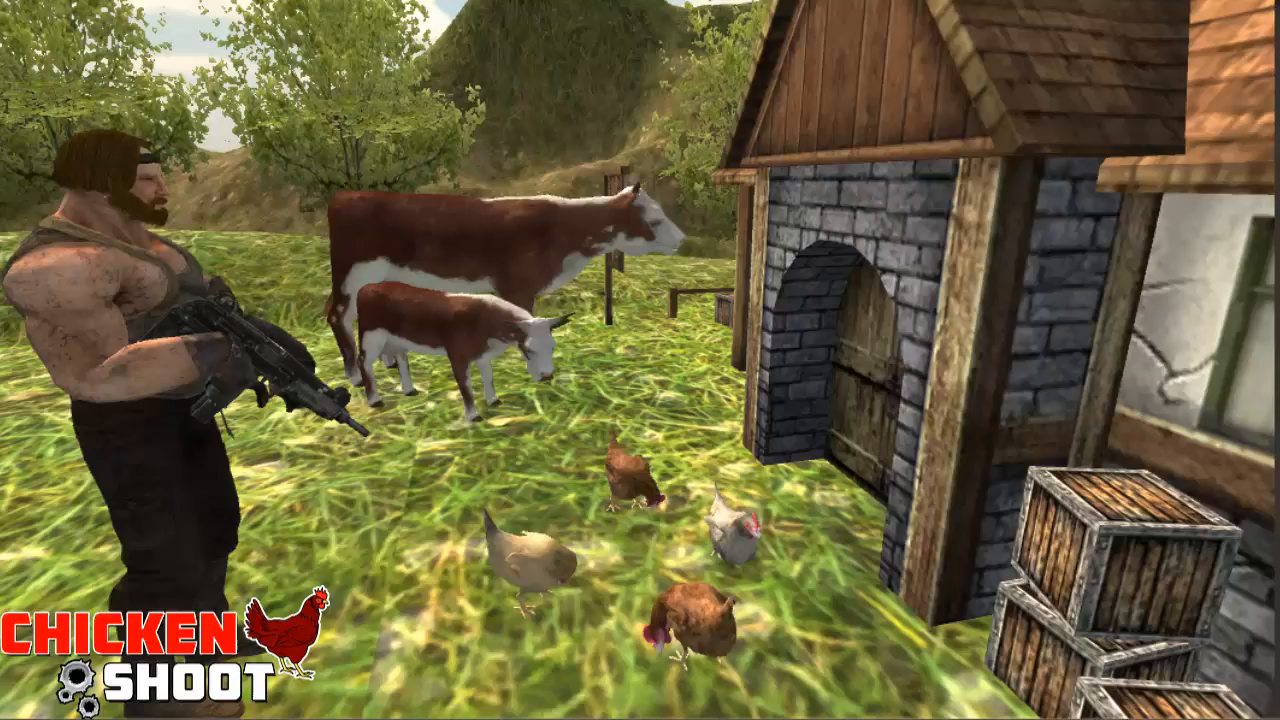
If you’ve never played it, Chicken Shoot Game is straightforward. Players shoot at chickens and other cartoon targets that scurry across the screen. It’s all about fast eyes and a faster trigger finger. The game is bright, loud, and satisfying. For the marathon, those simple mechanics turn into serious business. Every missed chicken means points lost, and every second lost at a console gets added to your final run time.
Central Gameplay Loop and Appeal
What makes Chicken Shoot succeed in this setting is its instant grasp. You see a chicken, you shoot it. There’s no complex backstory. This means a runner with jelly legs can still comprehend the task immediately after 10K of pavement pounding. The game’s silly chaos offers a genuine mental break from the monotony of the run, even if your fingers are now part of the competition.
Competencies Required for Success
Don’t mistake its simplicity for ease. To score high, you need a surgeon’s steady hand and a chess player’s calm focus, especially when the game speeds up. These are mental skills with a physical price tag—they demand fine motor control and visual sharpness. In the middle of a marathon, that’s like asking someone to do needlepoint after a boxing round. It tests your brain’s ability to ignore your body’s complaints.
Public and Artistic Impact
A weird little scene has emerged around this event https://chickensshoot.com. You’ll see marathon club vests next to video game t-shirts. Elite runners exchange tips with gaming kids. The event serves as a bridge, generating conversations between circles that used to avoid each other. It values the joy of attempting something ridiculously hard and new over raw, niche talent. That ethos has already sparked similar mixed events appearing from Germany to Japan.
Technical Backbone of the Event
Ensuring this run smoothly is a tech nightmare solved with military precision. Each Game Break area uses identical, high-end consoles and monitors to keep play fair. The timing systems are aligned to a tiny margin of a second, switching from race clock to game timer flawlessly. Scores fly across a specialized network to populate the central leaderboard in real time. This tech stack operates in the background, but without it, the event would descend into chaos. It’s what makes the madness believable.
The Future of Blended Sports Entertainment
This marathon is more than a gimmick. It proves people will view and take part in events that reflect how we truly live—partly in the physical world, partly in the digital one. Organizers are already refining the formula: shorter races, different games, team relays. The event is a prototype. It points to a new path for sports, one where being a champion might mean training your thumbs as hard as your hamstrings.